You've sorted everything else.
Let's sort this properly too.
Clinical scar treatment for scars that still pull, restrict, or just don't sit right.
Assessed and treated by a registered healthcare professional.
clinical scar care
You've sorted everything else.
Let's sort this properly too.
Some scars heal quietly. Others become part of how you live — not by choice, but because the tissue hasn't fully integrated. It might be a line that never quite softened, a patch of skin that feels different under your hand, or something that catches when you move a certain way.
The issue is rarely the original injury. It's how the tissue repaired. Scar tissue is structurally different from normal skin — denser, less elastic, and sometimes bound to layers below that should move independently.
Scars we treat include...
Surgical scars — including caesarean, orthopaedic, abdominal, and breast procedures
Trauma or injury scars - from accidents, bites, impact injuries
Long-standing scars that remain restricted, raised or visible
Wounds that were slow to heal, or that didn't settle evenly
Scars affecting movement, comfort, or daily function
Self-inflicted injury scars - approached with full professionalism, discretion and respect.
Some scars are recent. Others have been present for years. Some are clearly visible. Others are felt more than they are seen. What they often share is this: they have not fully integrated into the surrounding tissue.
Cascade is a judgement-free clinical environment. Whatever brought your scar into being, it deserves to be assessed and treated properly.
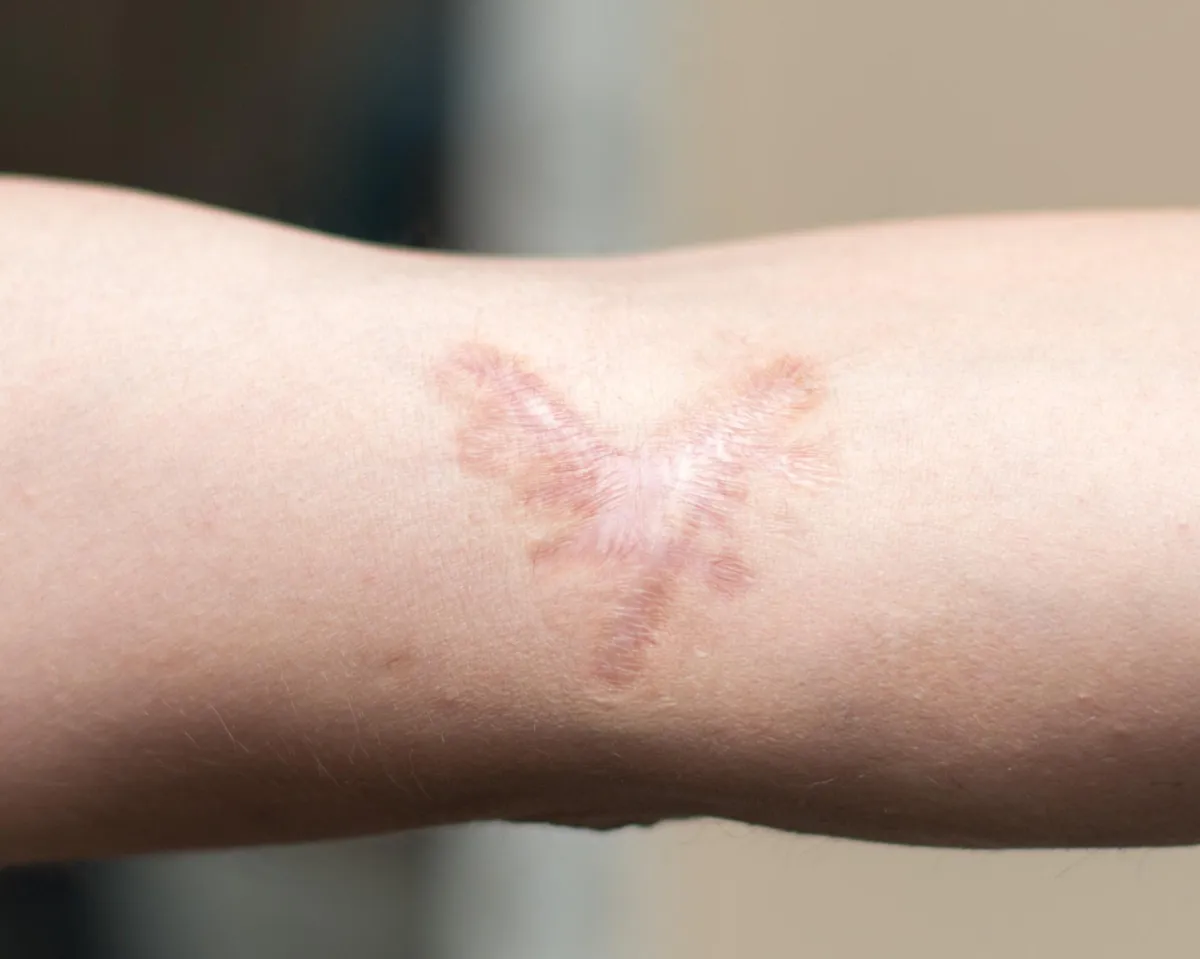
At Cascade, care is individualised and based on how your tissue is behaving—not a standardised protocol. We assess each scar in context, considering its structure, history, and impact on your body.
Surgical scars reflect changes across multiple tissue layers, where normal movement and glide have been disrupted—requiring a clinically informed, precise approach to support better integration and function.
Each scar behaves according to its depth, location, and how it has healed. No two scars are the same, even when the procedure was. Each one is assessed individually.
Post-Surgical
Scar Therapy
A surgical scar is not simply a line on the skin. Beneath it, multiple layers of tissue — skin, fascia, muscle — have been cut, handled, and repaired. They don't always return to their original relationship.
You may notice: a pulling sensation when stretching, tightness when standing upright, an ongoing awareness of the scar during everyday movement, numbness in some areas and hypersensitivity in others.
Common procedures we treat:
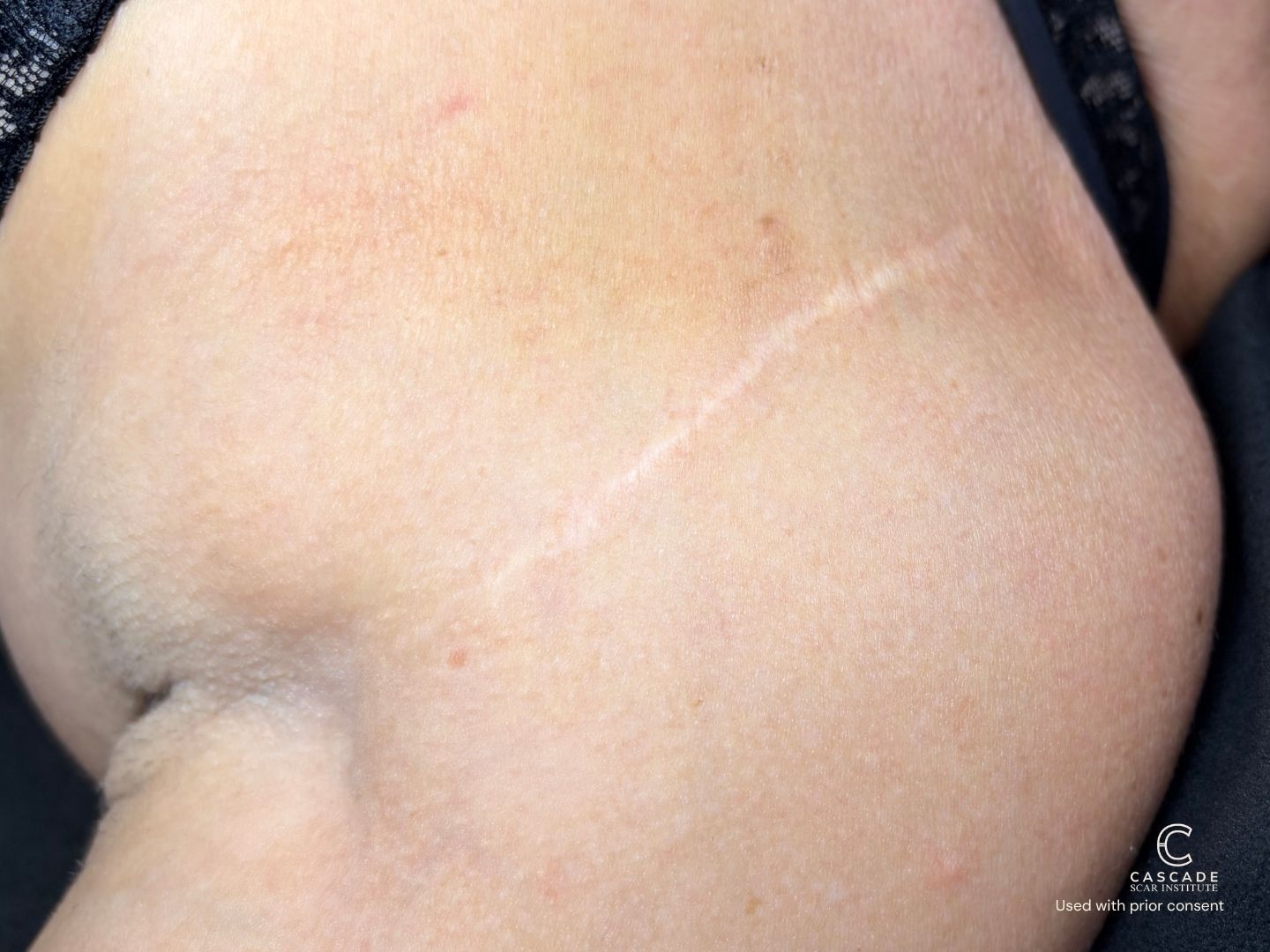
C-section scars
Abdominal surgery - open or laproscopic
Skin cancer removal
Orthopaedic joint repair or reconstruction
Breast surgery — lift, augmentation, reduction, mastectomy, lumpectomy
No two scars are the same — even when the procedure was. Each one is assessed individually.
Optimise your healing
Advanced Post-Surgical
Recovery programme
How you heal in the first weeks after surgery shapes how your scar behaves for years afterward.
Most people start thinking about their scar months after surgery, once habits and tissue patterns have already set in. This programme starts from the beginning, while the biological window for shaping your healing is still open.
Over 6 weeks, Holly uses medical-grade Photobiomodulation (PBM) to support your tissue at a cellular level from the earliest stages of recovery.
Programme details:
• 1 session per week for 6 weeks post-surgery
• $330 for the full programme, or $65 per individual session
• Additional sessions available for complex or revision surgeries
Common procedures we treat:
"In nearly 20 years of osteopathic practice, I never met a patient who didn’t want to recover faster. Photobiomodulation is the most powerful early-stage tool I’ve found for making that happen.” — Holly Miles
Common procedures we treat:
ABOUT | SERVICES | APPOINTMENTS | TERMS & CONDITIONS


Copyright 2026 | ALL RIGHTS RESERVED